

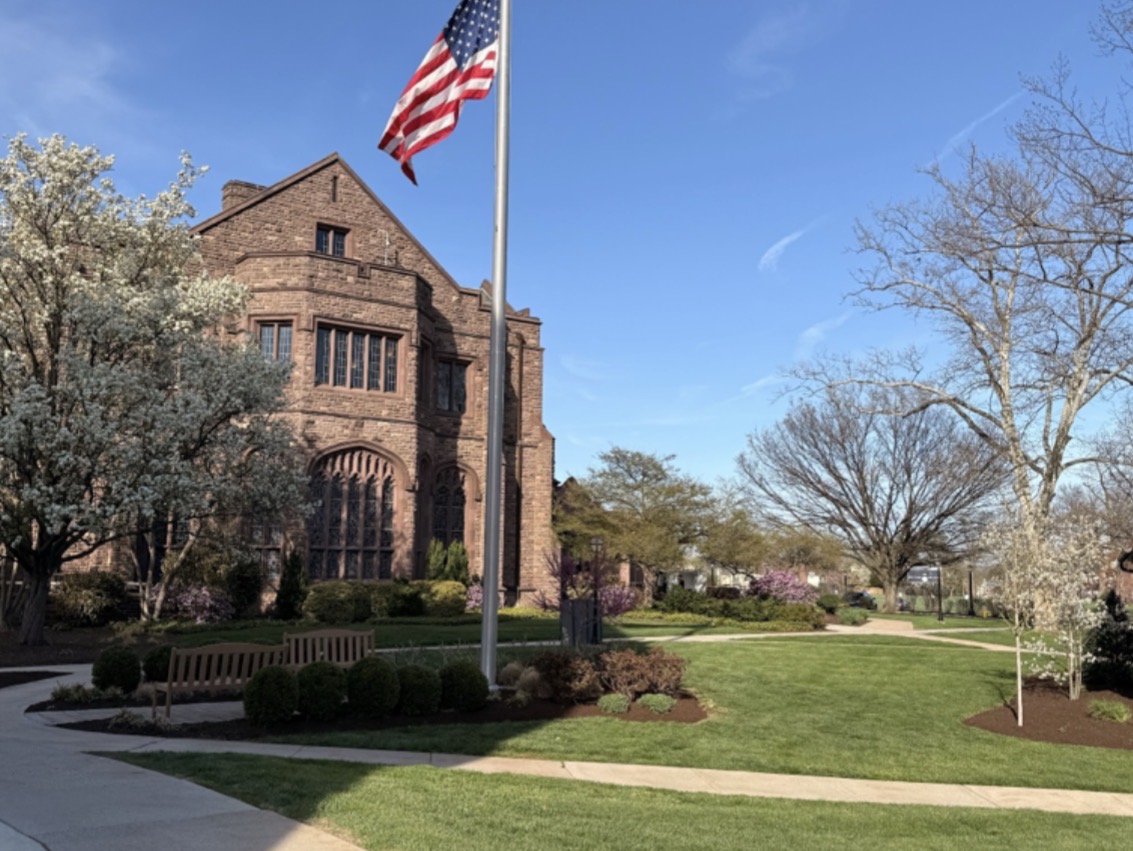





















The resplendent Hill School campus transforms in the spring as the colors of the trees, lawn, flowers, and garden break the chill of the winter. Behind all this verdant beauty, however, The Hill School’s exquisitely maintained campus is more than visually appealing: it’s a planned economic strategy.
Administrators say that the school’s annual expenses on landscaping attract new students to Hill, support programs, and protect the school’s long-term financial stability. After reviewing the Hill School’s policy and plan, the cost of maintaining the green spaces on campus is not just about the aestheticism, but about balancing costs and future investments.
First, spending on the grounds is planned accordingly to help attract new families and ensure to keep the school’s property value over time. This spending, however, comes with immense costs.
“The 2.4% expenditure on grounds maintenance at an independent Pennsylvania boarding school likely serves both goals—attracting students and protecting property value—as they are fundamentally linked in the private school business model.” Assistant Treasurer & Controller Scott Faulkingham said.
According to Hill’s 2024 tax filing, the school’s total expenses neared $56 million. Whereas expenses includes the total cost of operations and necessities for the school, the operating budget incorporates the projected future costs, like maintenance or capital projects.
The school’s expenditures on landscaping, however, include far more than just plants, mulch and fertilizer. The high starting costs show that even simple maintenance needs a lot of money over time.
“Commercial-grade mowers typically range from approximately $10,000 to $25,000, while larger equipment can range from $30,000 to $80,000 or more,” Senior Director of Campus Operations Collin Wood and grounds manager Rick O’ Leary stated in an email.
The continuing costs show how some changes in utility and maintenance prices can shape how the school plans its budget.
“Recurring costs for maintaining the campus grounds include fuel, seed and plant materials, fertilizer, irrigation water, equipment maintenance, and seasonal supplies.” Wood and O’ Leary stated in an email.
The campus beautification is not just for the appearance, but instead is a huge role for the school’s plan to compete financially.
“In the competitive world of independent schools, a ‘fancy-looking’ campus is more than just a luxury,” Faulkingham said. “It is a critical driver of the school’s financial health and its ability to attract top-tier students.”