










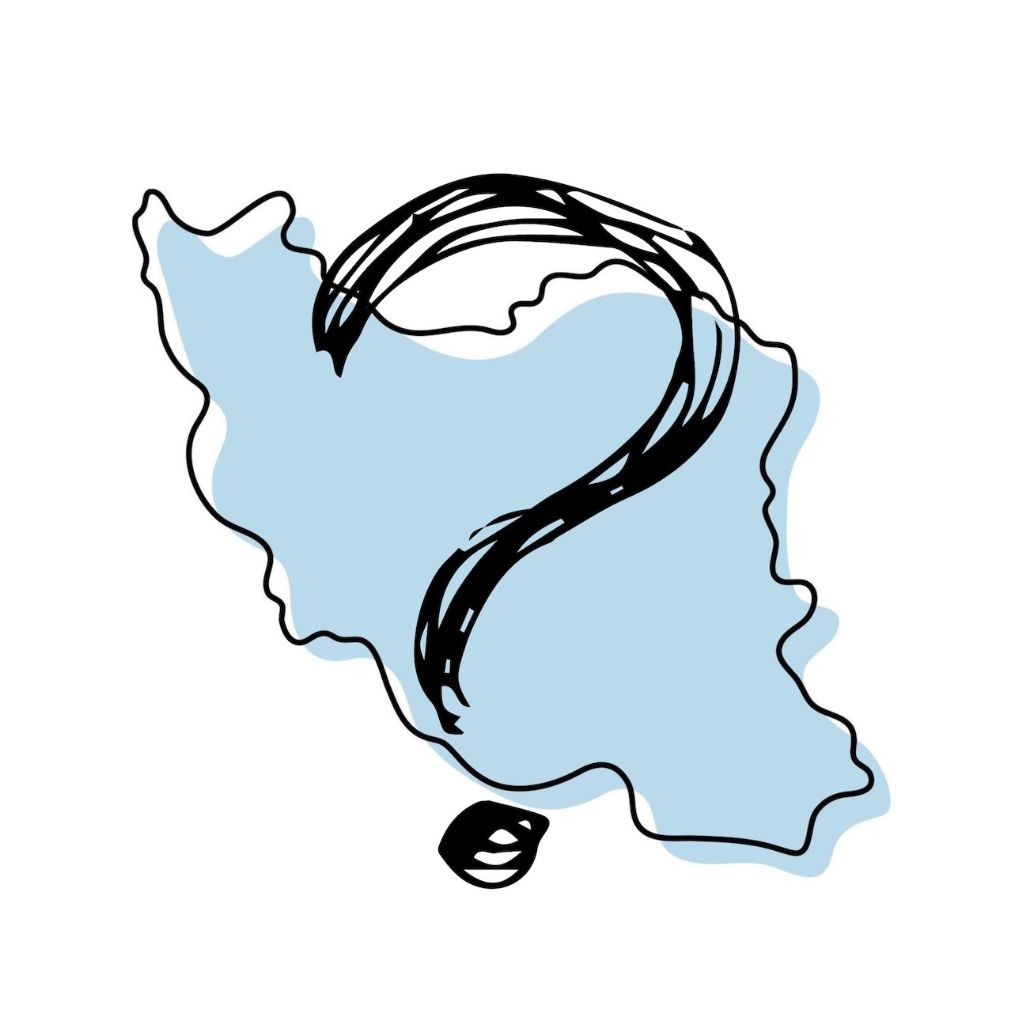










U.S. involvement in Iran lacks clear goals and may be reshaping global power dynamics in ways that weaken American dominance and increase uncertainty.
The United States first issue within Iran begins with a lack of a clear objective. “I don’t really know if even among our government they could tell you a defined rationale,” said Dylan Jennings, an instructor of history. His explanation included reasons such as stopping nuclear development, weakening Iran’s military capabilities, and possibly regime change.
Because of successive changes to U.S. aims, American victory seems more ambiguous. and that uncertainty contributes to rising global oil prices, which affect everyone.
Oil prices are not controlled by just one country. Jose Plata, a fifth-form student at Hill, explains, “If oil prices rise in other countries, other companies will see that and think, oh, I’m going to raise prices everywhere in the world.” Because energy is not just traded domestically, international disruptions can cause massive ripple effects and affect prices everywhere.
Even though the U.S. doesn’t trade with Iran, when countries lose access to Iranian oil, they become more aggressive to secure other oil sources, which raises the global cost, which affects the United States because U.S. oil producers are permitted to sell abroad as a part of our free market, which raises American prices.
The unfeasibility of the war also adds to the complex reasons for war. “Could the U.S. invade and control Iran? No,” Plata said. He points to previous American involvement in conflicts like Iraq and Afghanistan as examples of previous U.S. long-term occupations.
Iran has a significantly larger population than Iraq and Afghanistan, and the U.S would likely suffer dramatically more in the case of a military victory, which seems increasingly unlikely. The conflict seems less about achieving military victory and instead keeping up constant pressure.
Jennings additionally argued that the ramifications of this U.S. “intervention” will sprawl way outside of the Middle East. “I actually think this war is benefiting China because it’s making us look unstable, and it’s making us look weaker.” This allows China to expand its global influence without getting directly involved.
This is reminiscent of the Cold War, where influence was felt through proxy conflicts rather than the major players themselves. While the war in Iran may not be a traditional proxy conflict, it still exhibits the wider competition for global dominance between the United States and China.
“But I think this is one of those sort of military exercises that we will engage with, that we’ll look back and say, wow, that was one of those moments of where this conflict really changed X, Y or Z,” Jennings concluded. He points to the uncertainty surrounding the conflict’s potential long-term ramifications.