




















Around mid-September, Republicans and Democrats had a dispute over the nation’s overall funding package, particularly the healthcare-related provisions. The tension soon reached a stalemate as neither party could reach the 60-vote threshold required to pass a temporary bill, marking the beginning of the federal government shutdown on October 1, 2025.
Such an event is not unprecedented. However, unlike previous ones that occurred in the past administrations, which under Obama’s administration, for instance, only lasted for 16-17 days, the 2025 shutdown lasted for a 43-day record, which officially marks the longest shutdown in American history.
To what extent the shutdown affects the aggregate economy or our Hill school specifically, is a question worth examining.
At its core, the shutdown presents a political maneuver. While Republicans aim to minimize government intervention and reduce the national deficit, Democrats prioritize health and social subsidies to support low-income Americans. When Republicans proposed spending cuts to Affordable Care Act (ACA) aid, all 52 Republican senators voted in favor. With only eight additional Democratic votes for Congress to advance the bill, Democrats withheld their support to pressure negotiations and defend ACA.
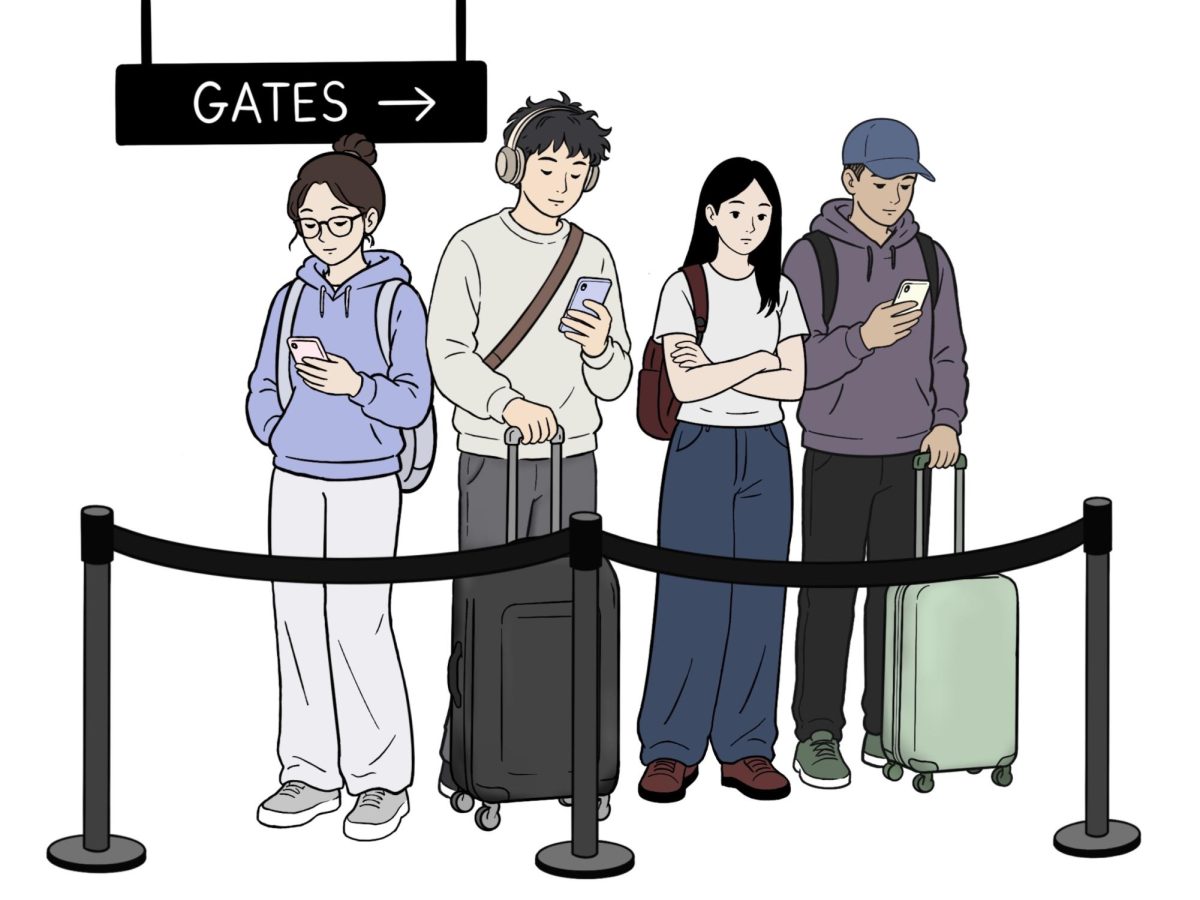
The negotiation, which inadvertently prompts the shutdown, has immense effects on all segments of society, whether directly or not. The immediate impact is that many federal workers, across departments, were furloughed, leading to a halt of national public services. Among the most visible disruptions were significant delays in air transportation, caused by understaffed air-traffic control (ATC). Programs for R&D in education and medicine, as well as aid for marginalized communities, were interrupted as well.
At the Hill school, the shutdown created logistical inconveniences. Fourth Form Enrichment Day had to be rescheduled; Advanced Economics class was forced to revise its Washington DC trip due to security shortages.
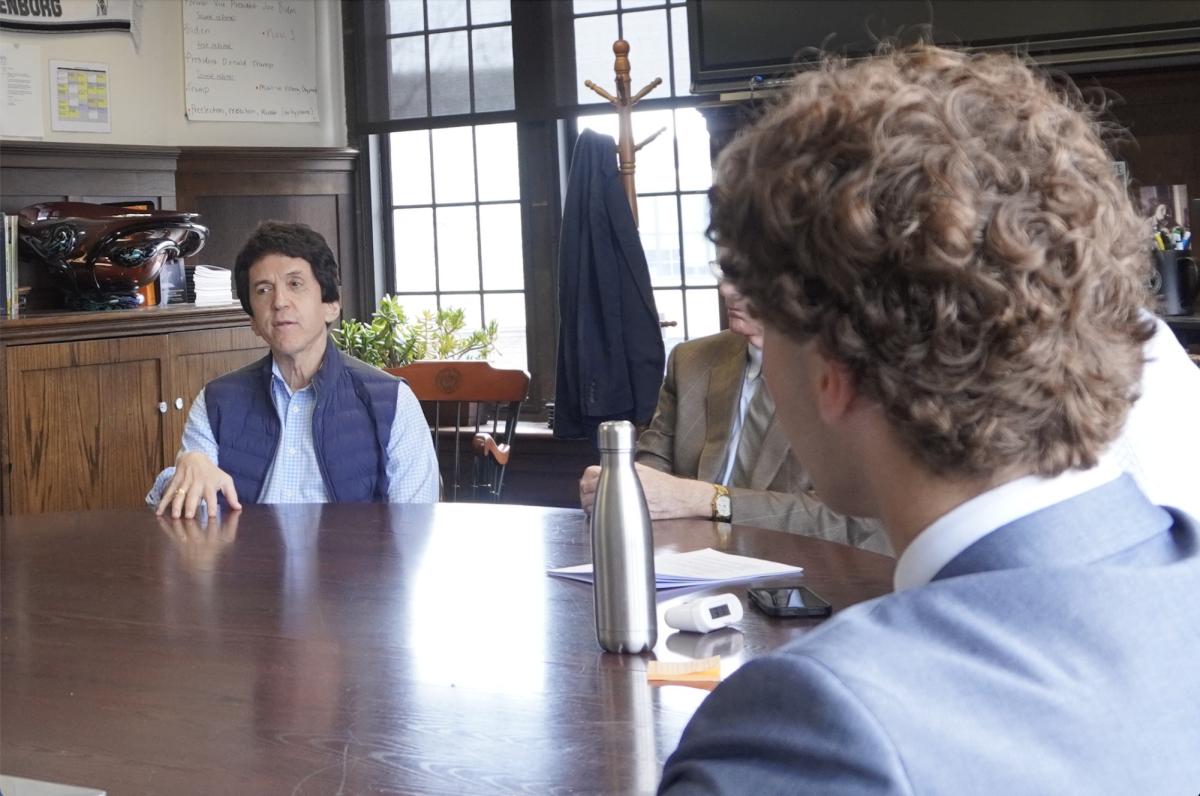
From Mr. Baum’s perspective, the Assistant Head of School and instructor of AP Economics, “the shutdown is a disgrace, because it represents yet another instance of elected officials failing to understand the interests of the people they are sworn to serve—a dysfunction,” he stated.
In the borough of Pottstown, many residents rely on federal programs, including SNAP and housing support. Amidst the federal stalling, the “bottom third” of municipalities were disproportionately harmed, especially given that winter season is approaching. “It is cruel and unusual…to have such political volatility every two, four, six years”, Mr. Baum noted.
From a macroeconomic perspective, the scale of the impact, among which is its ability to undermine long-term economic growth, is substantial. Critics estimate weekly losses of up to $15 billion, driven by slow productivity and delayed investment. Although the stock market, which is highly attributable to the performance of trillion-valued tech companies, remains unaffected, the shutdown acts as a drag on the business cycle.
Mr. Donaldson, an instructor of Advanced Economics, remarks that “governments are here to facilitate transactions yet the shutdown shows us inefficiency and partisanship”. Not only expressing disappointment on Washington’s failed trip, he also highlights how federal employees face severe outcomes, including missed paychecks with no assured compensation. “Those contract workers…they don’t get paid. Those are real effects”, he said.
Even after reopening on November 12, the shutdown has shaped the lives of many individuals and a lasting scar on the national economy. The event exposes the flaws of federal allocation of capitals and significant burdens placed on vulnerable communities.