
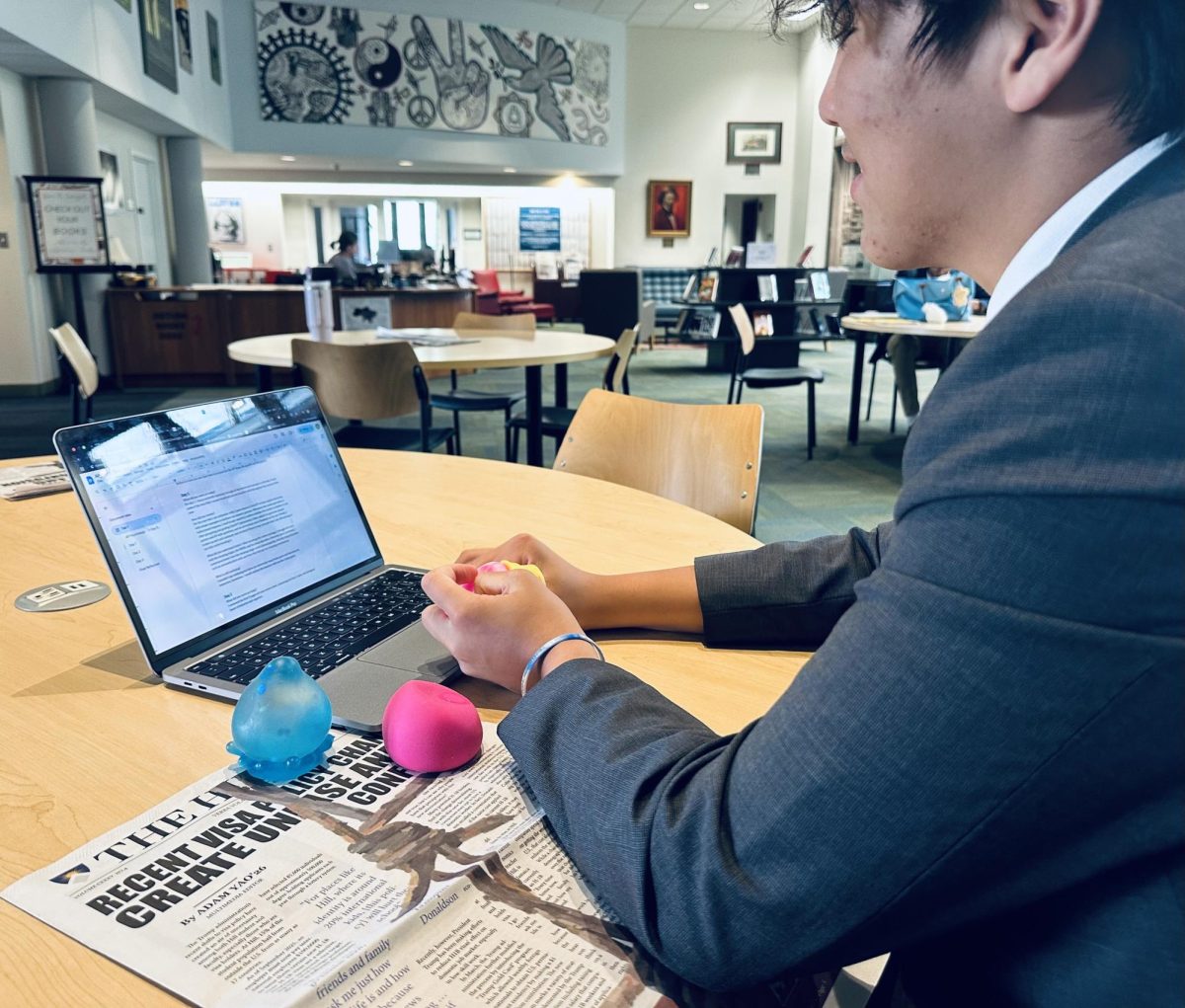











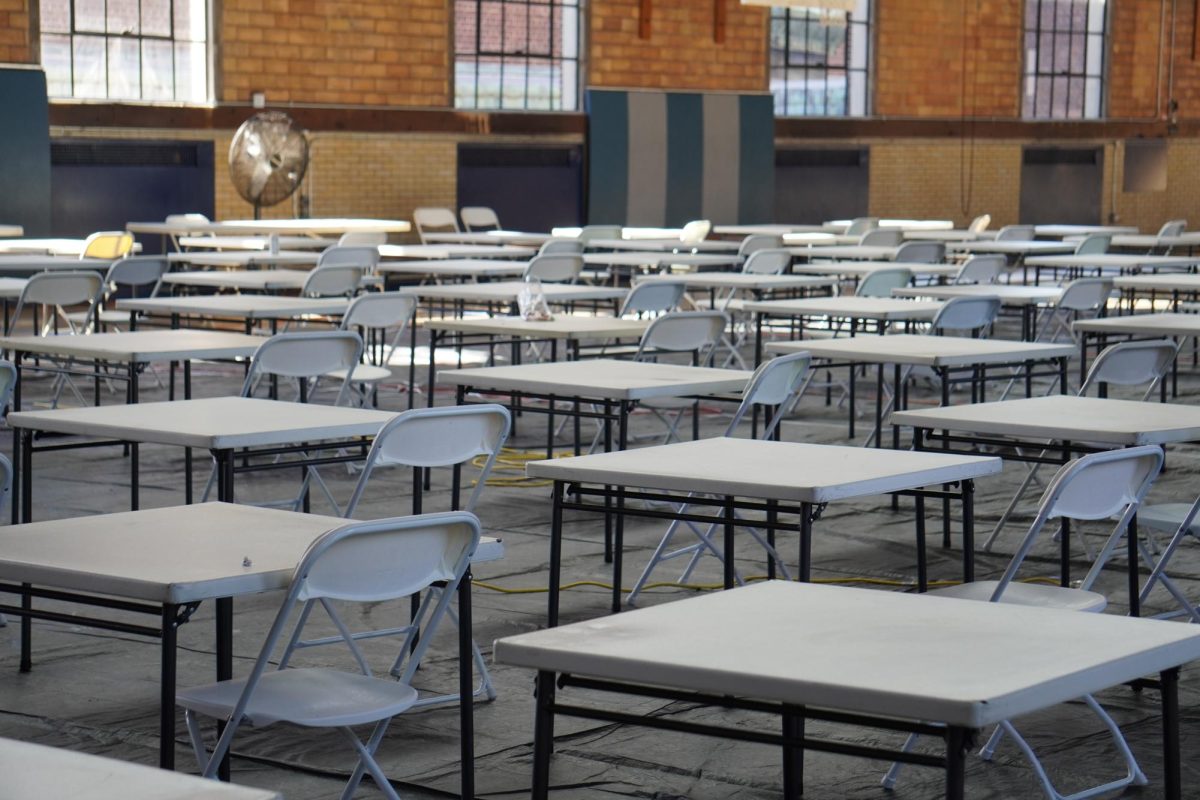











Every year at the start of May, competitive students undergo the rigid experience of preparing and participating in Advanced Placement (AP) tests, a process that requires intense attention and time. While the school has been putting active effort into helping the students overcome their hardships, more could be done to provide better help.
First of all, afternoon and cocurricular activities can be hard to manage with the overwhelming amount of exam preparation. If a student has an exam the next day, the most preferable time to study for it is in the afternoon before exam day. It is this period where students could acquire the most renewed set of memory that can provide significant advantage for the exam the next day. However, it is also during this time that many students are forced to attend afternoon cocurricular, some of which may take up to one and a half hours.
A possible alternative would be to allow students to miss cocurricular activities, in addition to missing classes, if they have an exam the next day. While one may be misled by the statement and believe that students propose to be dismissed from cocurricular commitments just because they voluntarily chose to cram all the work at the last second, the true intention is to give students opportunities to review and integrate the large mass of knowledge they have acquired throughout the year.
Considerable benefits could be gained from the time that afternoon activities take up. By offering them an intact, uninterrupted period from after school to the evening, students can use it to achieve high concentration during final review sessions, advancing their situations for the upcoming exam.
Another benefit students may receive from the reduction of co-curricular and student-life activities is improved mental health. Being subject to stress from the exam, courses, and cocurricular activities may expose students to severe anxiety and may even lead to depressive symptoms. The effects of such pressure can not only affect temporary productivity, weakening memory and focus, but also create long-term psychological vulnerabilities that can make students more sensitive to stress.
The school can substantially reduce these risks by allowing the students to be more independent in using their time, granting them the freedom to commit assignments according to their needs instead of following a uniform schedule that is inflexible. Taking a nap, taking a break, and having a light snack can all help a student recover from fatigue and adjust their state of mind. As a result, the school should seriously consider the possibility of reducing cocurricular events during AP testing weeks.
In conclusion, taking into account of the excessive workload and stress from AP exams, the school may essentially improve the students’ conditions by lessening the amount of extracurricular commitments they have. Students would receive benefits in terms of both academic performance and mental health. Also, the change can be applied exclusively when AP exams take place to ensure student engagement throughout other portions of the year. It is these adjustments that Hill implement that demonstrates the school’s caring and support for its students.