



















DEI, or diversity, equity, and inclusion, is a framework that promotes fairness for a diverse range of groups, particularly those that are underrepresented. Led by Dean of Equity and Inclusion Eric Khong and student co-chairs Jahiem Pratt ‘26 and Layla Choudhri ‘26, the DEI Student Leadership Council comprises eight identity-based groups: East Asian, South Asian, Black students, Hispanic students, women, body positivity, LGBTQ+, and disability inclusion.
The Hill School aims to foster a diverse and supportive community in which all members acknowledge that everyone deserves respect and recognition. However, assumptions about certain groups may make it difficult for others to participate in events hosted by these groups. “Last year, the HASOGI events were really lackluster in the sense that one of our most important days had really few people,” Lydia Sahin ’28, HASOGI leader mentioned. “There wasn’t a lot of support because of the perception that it is a gay club, but it’s a gay-straight alliance.”
To combat this difficulty this year, various DEI groups have been collaborating with each other and with other student-run groups around campus to host more events. “We’ve been trying to do a lot of events. We had a movie night in collaboration with the machine learning club,” Sahin said. “Our very first event was bracelet making in the Warner Center, which had thirty attendees, which is really big.”
Increased attendance at events is just one of the ways that DEI has changed heavily since Khong’s arrival at the start of the 2024–2025 school year. From the formation of our modern DEI structure in 2020 to now, DEI has been a bustling center for connections and bonding. It has served as a bridge that connects people with different backgrounds and allows everyone to enjoy many cultural programs.
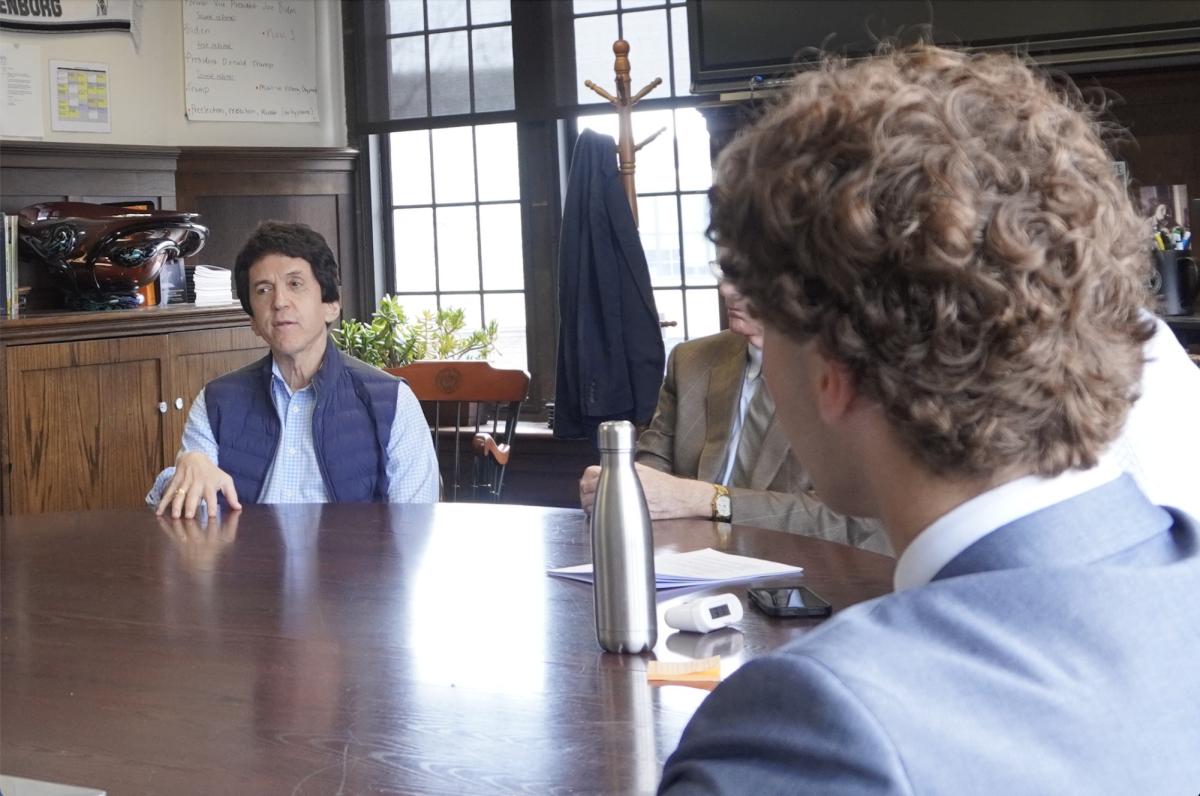
“The core principles of DEI in our office have remained pretty steadfast: our goal is still to foster a school community where everyone feels valued, and a big part of that is respecting, recognizing, and celebrating the diversity in cultural traditions here on campus,” Khong stated.
However, Khong recognized when he came to Hill that despite these steadfast values, there was still a deep inclination towards change. “People wanted to see this change, and I think acting as a new set of eyes and ears helped the office reimagine what the DEI program could look like.”
One of the changes that has been implemented over the past year is acting as a consistent presence around campus. “Everyone loves a big festival, but if our work is only one big event every term, that’s not moving the needle on our mission,” Khong explained. “We needed to facilitate gathering with each other in community more often, more consistently, and with more intention about what we were doing when we got together.”
Instead of hosting a festival or party once in a while, DEI started directing its interest towards gathering consistently and purposefully, helping DEI focus on intimate, consistent, quality meetings. This helped reinforce the innate purpose of these gatherings.
Secondly, another major change in DEI is flexibility in the affinity programs.
“I restructured the affinity program so that student facilitators could have more freedom and support for what they wanted to accomplish within their groups internally while also encouraging them to create cross-affinity and open events to make sure that we were focused on cultural competency, education, and invitation for everyone,” Khong said.
By allowing affinity group leaders more leeway in events they plan based on their goals and holding cross-affinity events, DEI programming has become more modern and has helped educate more students about the multitude of different cultures represented here at Hill.
Overall, DEI has reported a rise in attendance and engagement as a result of the changes made to DEI programming over the past year. Modernizing DEI and making it a consistent, accountable presence has helped all students feel that they live in a place where they feel comfortable in. In a place where many students live for four years, DEI is critical in helping students to understand each other and themselves during these budding adolescent years.