



















Across the country, independent school enrollment has continued to climb in the years since the pandemic, as families reassess what they want from their children’s education. National data shows a steady rise in applications, particularly in day schools, while boarding enrollment has remained relatively stable, if not shrinking. The shift points to a broader rethinking of what families expect from independent schools, with many prioritizing proximity and daily flexibility alongside the academic strengths the sector is known for.
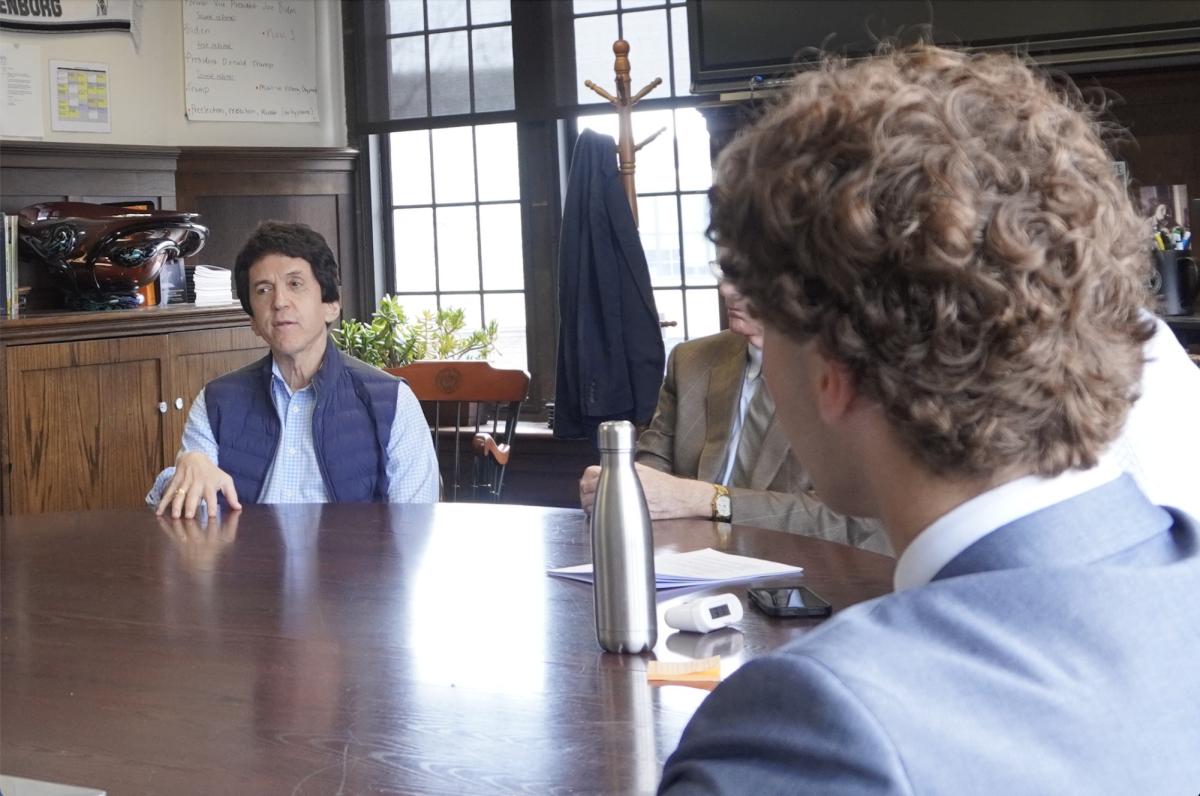
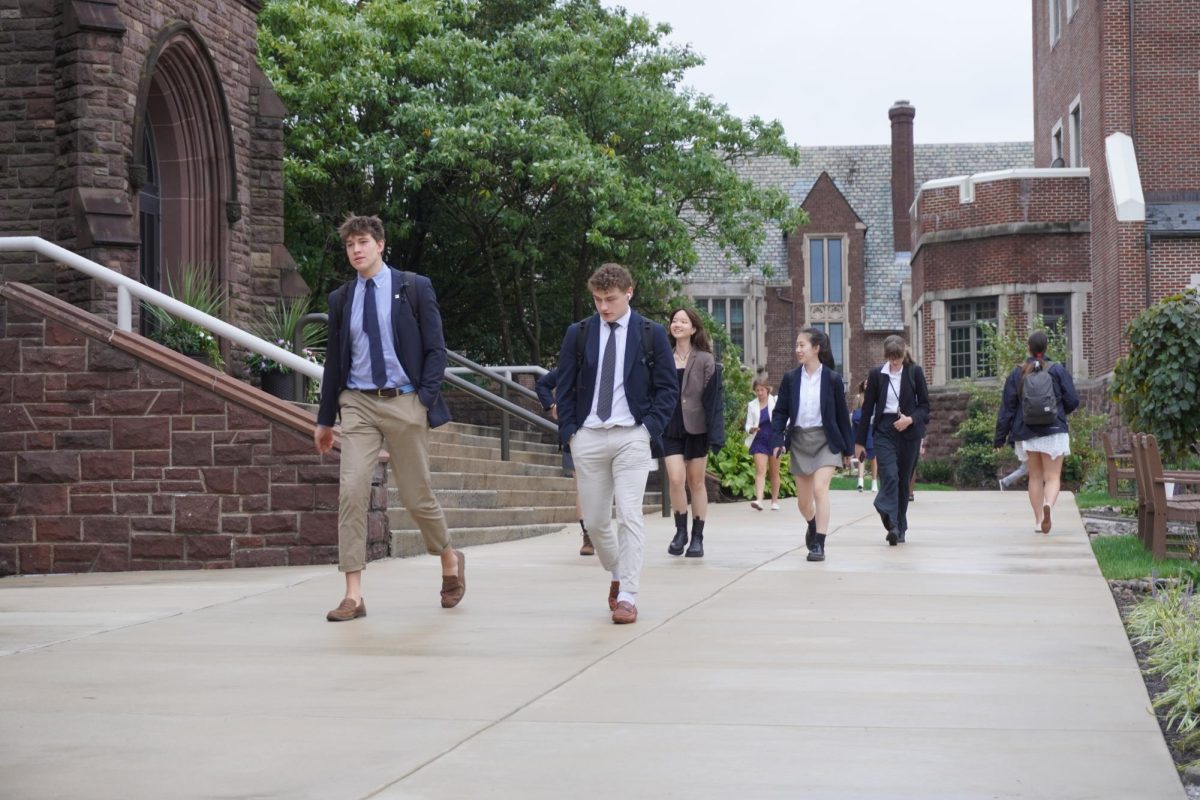
At The Hill School, these national patterns appear in smaller but noticeable ways. Christopher Bala ’97, Associate Director of Admissions, said that while the landscape has changed, the questions families ask have stayed largely consistent. “I don’t think we’ve noticed a super drastic shift,” Bala said. He explained that families may rank their concerns differently today than they did before the pandemic, but many of the same themes remain present: community life, academic expectations, and student support systems.
Affordability continues to be one of the most common concerns. “The costs continue to rise, and that’s probably in the top two or three concerns,” Bala said. He noted that this worry predates COVID, pointing instead to the steadily increasing costs of running a school. These pressures shape tuition across the independent sector and lead many families to view financial aid as a central part of their decision-making.
These trends appear in NAIS data from the 2023-24 and 2024-25 academic years, which shows modest but consistent enrollment increases led by day schools, while boarding numbers held steady. Rather than signaling a decline in boarding interest, the trend points to a rebalancing. Residential life remains a defining strength of many independent schools, but families now view it as one option among several rather than the obvious, almost automatic choice.
Even with ongoing conversations about affordability, Bala said financial aid demand has not spiked suddenly. Offering context for this point, he noted, “It’s definitely on an upward trend, but I don’t think it has changed so drastically from one cycle to the next.” Hill uses a need-based financial aid model shared by many peer schools, though differences in endowment size can affect how schools support families. Competing with institutions that can offer larger or more comprehensive packages remains a challenge.
Location also influences the choices families make, especially for a school like Hill situated in Pottstown, where a large surrounding population creates a natural day-student draw. Open houses tend to attract many regional families who initially imagine themselves pursuing the day-student experience. Still, Bala said the visitor list often stretches far beyond the immediate area. “There were people at the open house from California, from Texas,” he said. “People who travel because they’re excited about Hill.” While he did agree that the majority of attendees are local, he estimated the split might be closer to “just over 50%” rather than overwhelmingly day or local focused.
When comparing Hill to other boarding schools, Bala said differences in boarding-to-day ratios often reflect geography more than philosophy. Schools in less populated regions may simply lack a large local population to draw day students from. Hill, with an approximate 80% to 20% boarding-to-day ratio, sits comfortably within the typical range of similar schools.
As independent school enrollment continues to shift nationwide, Hill aims to help families understand the value of each option while navigating questions of cost, location, and fit. Bala emphasized the importance of maintaining both parts of Hill’s student body. “We love the balance of boarding and day,” he said. “The day students might be a little jealous of the boarders and vice versa, but ultimately, you can have a great experience here either way.”