



















This column is part of our student opinion series, “A thousand hands, a thousand voices.”
The Hill School daily schedule varies a lot from Monday to Friday, the number of classes change depending on the day and so do the lengths of these classes. However, one thing that stays the same every school day is the length of the lunch period, which always is 30 minutes.
Lunchtime at school is meant to be a time to take a break from the busy day, refuel, and socialize with friends. It is a very important time in the day not just to recharge with nutrients but to relax and be able to finish the day strong. The Hill School’s lunch period is seen as very rushed. Many students and faculty don’t feel they have time to use lunch properly. It’s hard to digest your food, relax, and socialize in a short 30 minute period.
5th form student Jackson Bala explained the lunch period and its flaws. “As soon as the class ends, we have 10 minutes to arrive at lunch, we wait for the bell, and the 30 minute timer starts,” Bala said. “However, eating doesn’t start right away, we have to listen to the thought of the day and then say Grace, which is important. The annoying part is after eating for 15 minutes, we are already rushed to stack plates and get bombarded with school announcements afterwards, before the 30 minute timer ends.”
The actual time to eat is very short, students often run out of time to eat their entire meal and to fully replenish their appetite. This can affect the mood and energy levels of students and faculty for the rest of the day, causing an unhealthy academic environment.
“I don’t even have the time to eat my veggies before lunch is already over, and that isn’t good for my health,” 4th former Natalia Ulehla said. This goes to show that a lot of students feel rushed when eating, and don’t even finish their meals. If lunch was extended by a few minutes, many students like Ulehla could actually eat enough food for their body.
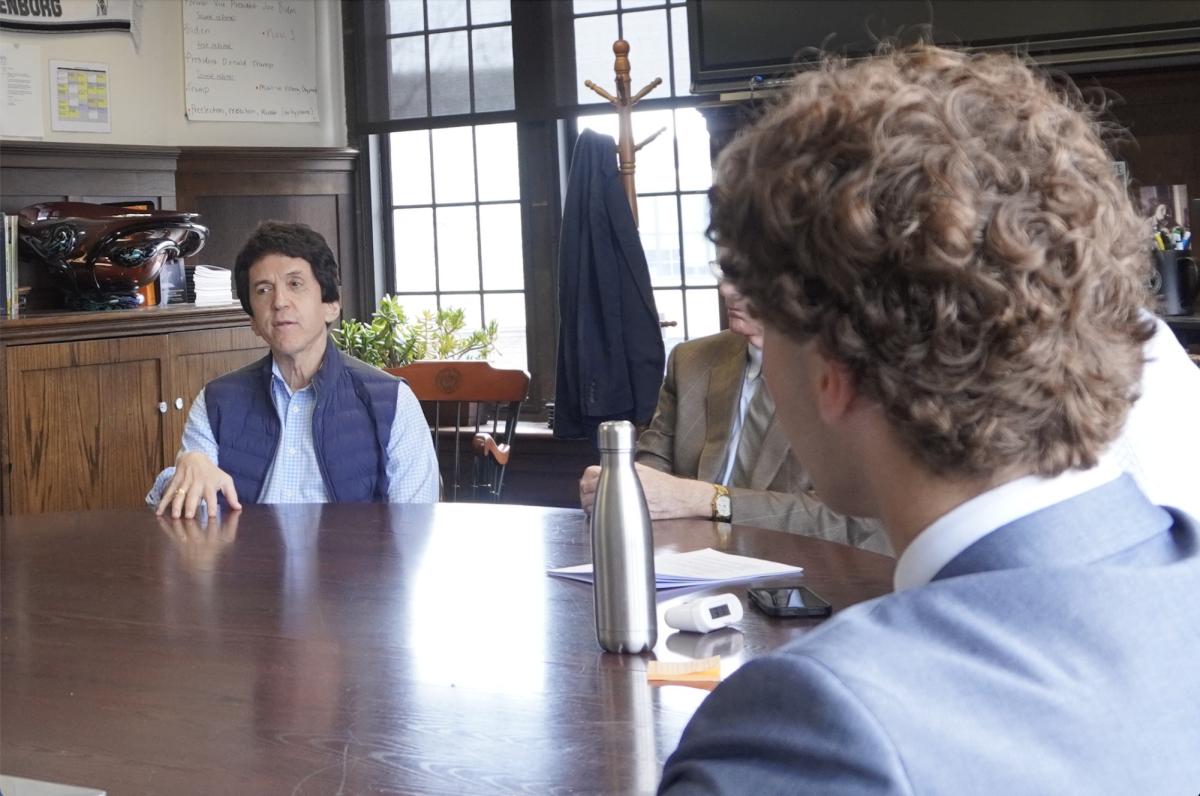
From a medical stand point, it appears that a longer lunch period would be good for the body as well. Dr. Kristin Spencer, the Medical Director at The Hill School, who occasionally attends the seated lunches, did mention how she understands how people feel rushed. Students hurry up to finish their meals and don’t entirely chew their food before swallowing.
If lunch were extended “They would chew the food more in their mouth which is essential for better digestion as the digestive system begins in the mouth, where enzymes start breaking down starches,” she said. Dr. Spencer shared how digesting food properly is essential for teenagers to be healthy and function well.
Another problem students face is finding time to get food in the pantry, where waiting lines form by the amount of students not wanting to eat the food served by the table head. “If people could be a little more open to what is served and spend a little less time in the pantry then there wouldn’t be as much of a problem. People are used to having what they want and spend too much time in the pantry,” Dr. Spencer said.
However, many students have allergies or dietary restrictions that prevent them from eating the food served. The pantry is the only way for all students to meet their dietary needs, and the time required to grab your food requires lunch to be longer.
Doug Jones, a prevention education specialist, as well as the teacher of health and wellbeing classes at Hill says “keeping our bodies and our brains fueled is a key piece for performing at our best, talking from an academic and mental intellectual standpoint”.
School lunch doesn’t just give us time to refuel our bodies, but time to prepare us to perform at our best intellectually. However, Jones also adds that “benefits to having a longer lunch would really only be uh enjoyed if we were very deliberate about it”.
Jones shared his thoughts on how he believes we could do better with the time we have during lunch. He talked about how lunch is rushed because of the worry of not fitting in all of the requirements we are meant to do during the lunch period. He suggests that we put more intention into the lunch period before we rush into making it longer.
“Obviously, if we’re lengthening lunch, but still rushing through things, nothing’s really changed,” Jones said. How we use the time at lunch is just as important as the amount of time we have during lunch, and that is another problem Jones brought to light.
In Jones’ statements he closed with, “So yeah, slowing down, being mindful, and enjoying each other’s company a little more, I think, would be great”.
High school students’ health and wellbeing is imperative to them being able to function at the highest level. Lunch period provides a time for students to settle down, gain the proper nutrition they need, and finish off the day strong. Students need this period not just as a time to eat but to socialize with friends. Yes, the Hill School wants lunch to be as efficient as possible, but, I urge you to consider making lunch more effective for the students and their ability to learn.